Ingredients
The Best Ways to Use Lemon Balm at Home (Plus 10 Recipes to Try)
This lemon-scented herb deserves a spot in your kitchen. Here’s how to use it in everything from teas and salads to jam and shortcake.

Every week we get Down & Dirty, in which we break down our favorite unique seasonal fruits, vegetables, and more.
What Is Lemon Balm?
Lemon balm (aka Melissa officinalis) is a lemon-scented herb that’s part of the mint family—yep, it might look and smell citrusy, but it’s actually a close cousin of shiso and peppermint. You’ll probably spot bundles of it at your local farmers market during the summer months, and it’s known for its soft, slightly crinkled leaves that release a bright, lemony aroma when rubbed. Though often used fresh, lemon balm is also available as an oil or extract, which can be added to foods or drinks. Research around its health benefits is still growing (more on that below), but its culinary potential is already well-loved in kitchens and gardens alike.
Thanks in no small part to Deborah Madison's Vegetable Literacy, it has become impossible for us to stroll through a farmers market without thinking about which fruits and vegetables belong to which plant family. One look at lemon balm leaves—whether coarse and hairy in texture, arrowhead or heart-shaped, or scallop-edged—and you'd likely guess that the plant belongs to the same family as mint and shiso, rather than being a direct relative of the lemon fruit. And you'd be right. One more clever deduction, this time from its name, and you'll figure out that this herb is lemon-scented. Some compare its lemony flavor and aroma to that of furniture polish (and, in fact, the leaves can be used to polish wood), but you're probably better off putting lemon balm to use in other ways. It’s a culinary wizard and far too prime to use in place of a countertop spray.
The Health Benefits of Lemon Balm
This lemon-scented herb (which comes from the Lamiaceae family) is native to Europe and has long been used as a culinary, medical, and cosmetic herb. It’s widely considered to have calming properties, is prized for its ability to reduce stress and anxiety, promote better sleep, and ease indigestion and bloating, according to Mount Sinai. Health studies have shown that lemon balm can increase individuals' sense of well-being, happiness, and alertness.
Lemon balm (aka Melissa officinalis) has been used medicinally for a long time to treat a wide variety of ailments, most commonly stress and anxiety. Research has somewhat confirmed its calming effect, but you'll probably pick up on it anecdotally, and we can almost guarantee it will be a beneficial addition to your garden. It's often planted to attract bees and releases a pleasant lemony scent as you brush up against it. You can even crush the leaves and rub them on your skin as a mosquito deterrent. But that's not all: Lemon balm will become a go-to herb in your kitchen, too.
How to Use Lemon Balm
As a general rule of thumb, treat lemon balm as you would any other fresh herb. It works especially well in place of mint, offering bright, fragrant notes. Add whole lemon balm leaves to green salads, or chiffonade the leaves and scatter them over a fruit salad for added zesty flavor. Lemon balm also pairs beautifully with poultry—try adding sliced leaves to chicken salad, fish dishes, and even vegetable dishes to serve on the side. Unlike other herbs, you’re less likely to find dried lemon balm in the spice and herb aisle of your grocery store (though you might find it in specialty health stores and online). Give lemon balm tea a try too; it’s just as soothing as chamomile or lavender but with a lovely citrus flavor.
Just like mint or basil, you can also candy lemon balm leaves and use the finished product as a crunchy, crystallized garnish over ice cream or tarts. It also works wonders in recipes that call for lemon verbena (like these cookies)—but note that lemon balm isn't as intense, so adjust the amounts as necessary.
For a thirst-quenching sip, infuse water with lemon balm leaves, which you can drink as is or use to create granita, a light, icy dessert. After all, nothing is fancier than flavored water. When it comes time for happy hour, "lemon balm makes an absolutely delicious liqueur," says Greenstuff. Similarly, infuse heavy cream with lemon balm leaves to make panna cotta or crème brûlée.
Seasonality
Lemon balm grows in cold weather and is in season throughout the summer into early fall. Want to plant it yourself? Choose the sunniest spot you can, though it can and will handle a teeny bit of shade. Water it frequently and watch as it grows nearly two feet tall.
Other Forms of Lemon Balm
In addition to the fresh herb, you can also consume lemon balm in the form of an oil or supplement. Lemon balm oils may be cut with water and vegetable glycerin, which just makes it safe to consume orally or used directly on your skin. While it isn’t a cure for any illnesses or diseases, it can act as an aid to soothe sore muscles, reduce inflammation, and even reduce the swelling and redness associated with certain skin conditions like chicken pox, eczema, or psoriasis. Look for organic lemon balm oil made with minimal ingredients from a reputable retailer. Ahead, we're sharing some recipes that use lemon balm in four refreshing ways.
Our Favorite Lemon Balm Recipes
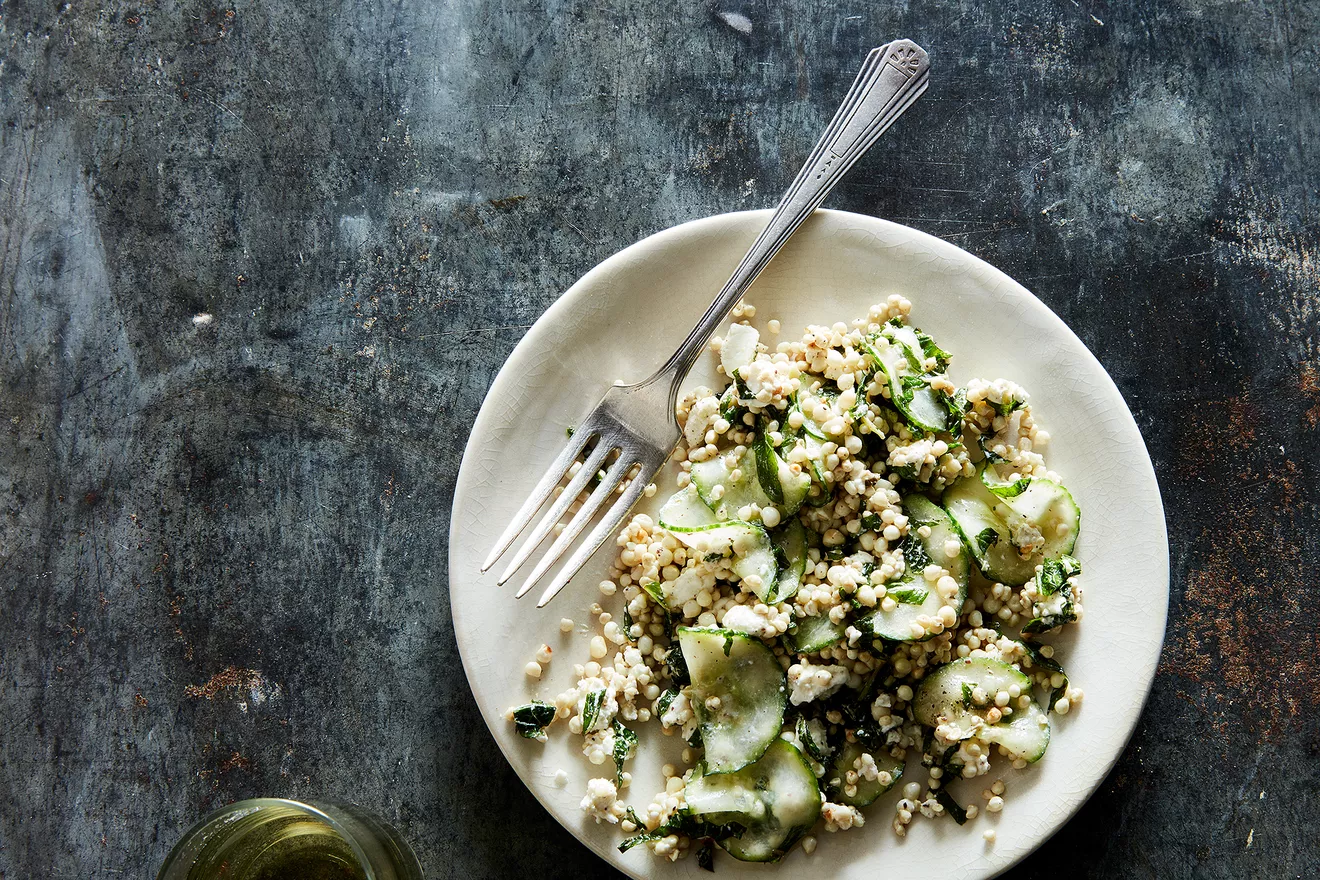
1. Okra Seed Couscous Salad
Okra seed "couscous" is a neat, nutty ingredient that shines in this loosely Mediterranean-inspired salad. Thin slices of cucumbers are tossed with fresh lemon balm, sumac powder, and feta cheese, plus the okra, for a light summer side.

2. Cannellini Bean Croquettes
There's not enough good things we can say about these crispy, golden brown vegetarian bites. A handful of fresh herbs such as lemon balm perks up the robust vegetarian mixture made with cannellini beans, bread crumbs, and Parmesan cheese.
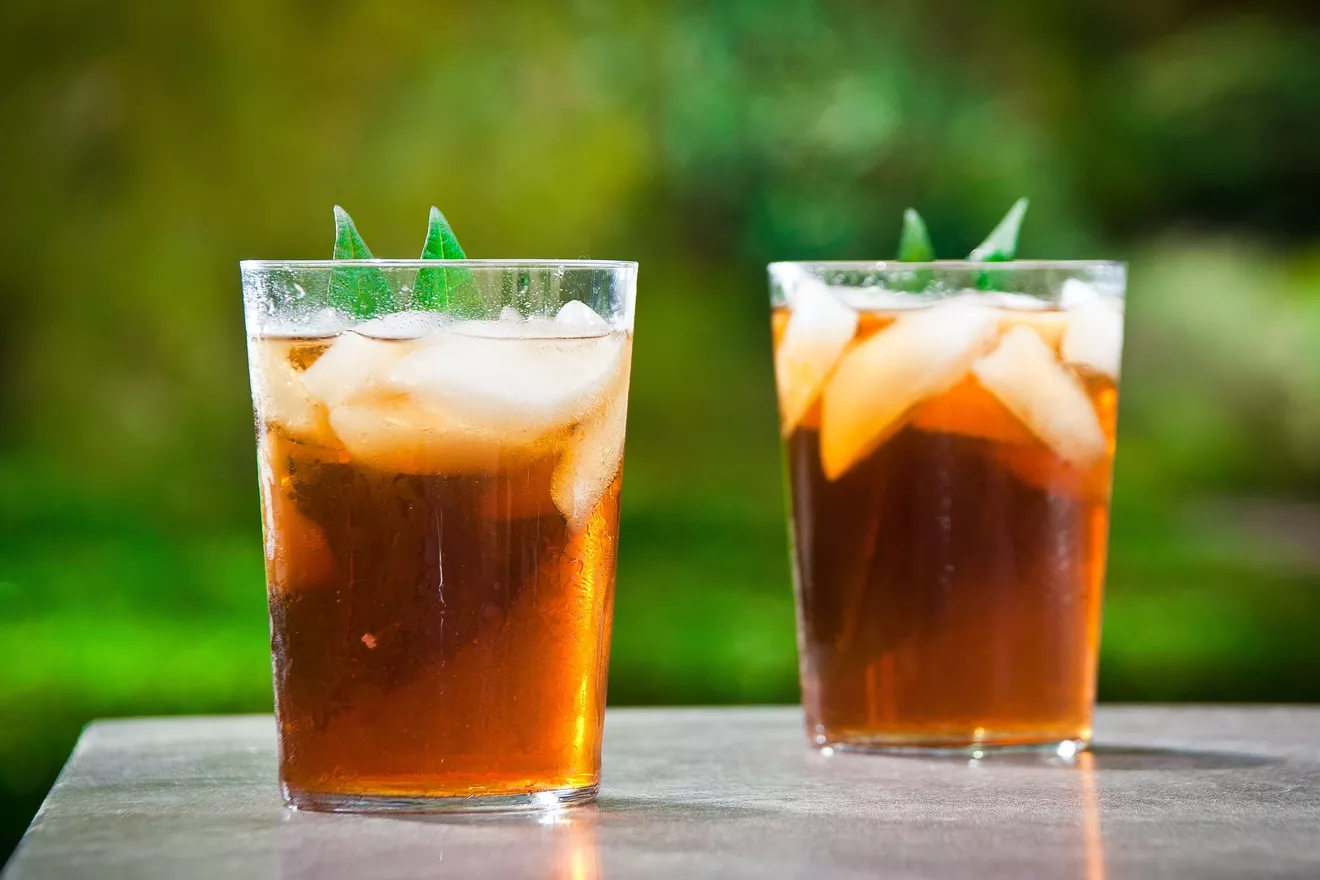
3. The Sunset Palmer
Perk up a classic Arnold Palmer with a power-packed blend of fresh lemon balm, lemongrass, lemon verbena leaves, and lemon zest. Combine freshly brewed black tea with the lemon-herb mixture for a cooling sip on a hot day. Beyond this beverage, use lemon balm to make fancy ice cubes or a simple syrup to sweeten any drink.
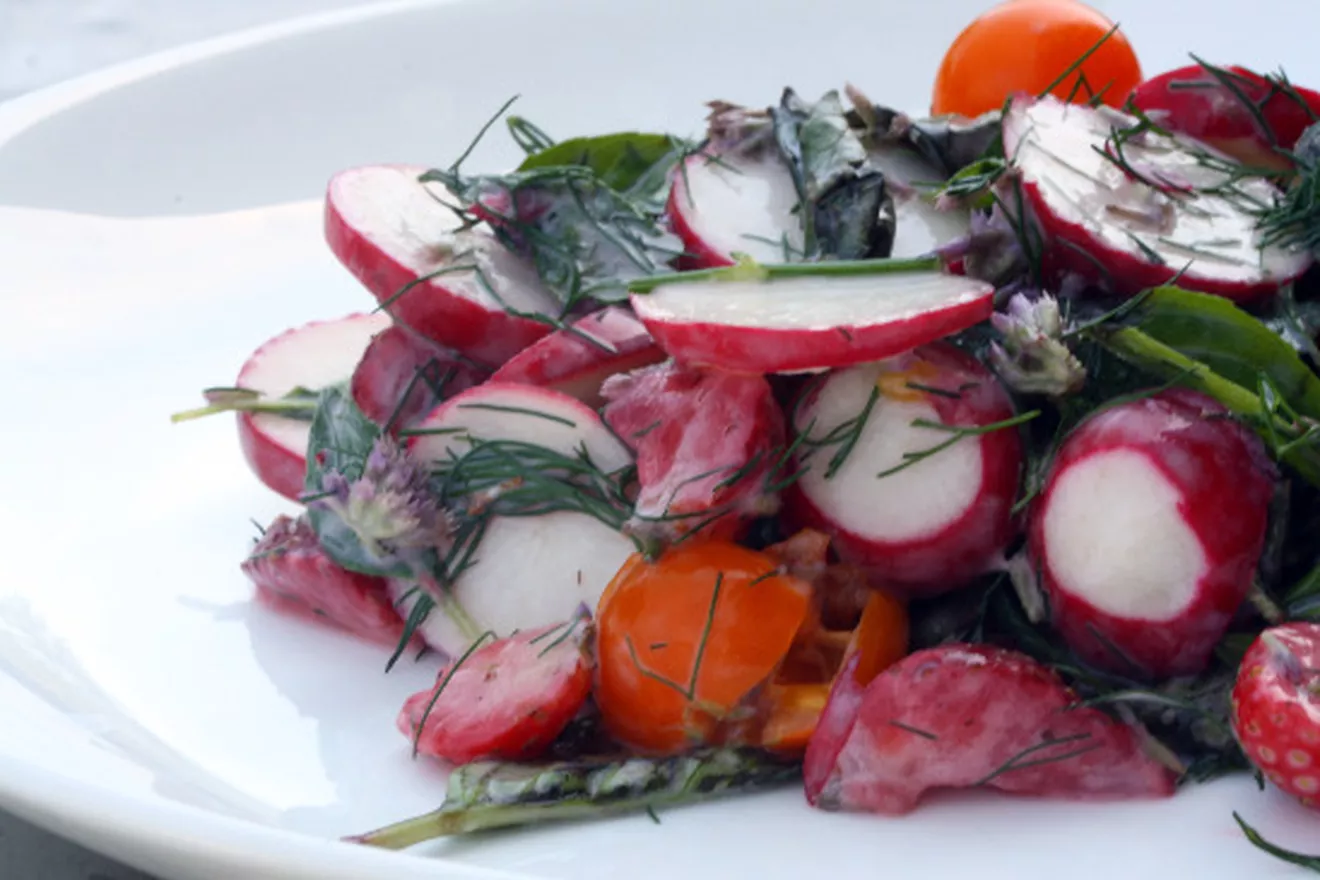
4. Radish & Herb Salad With Sungold Tomatoes & Strawberries
Two cups of mixed bright herbs (think: lemon balm, dill, basil, and mint) are a lovely addition to this juicy summer salad. The simplest dressing made from yogurt and maple syrup introduces sweet, creamy notes that coats each element of this dish.
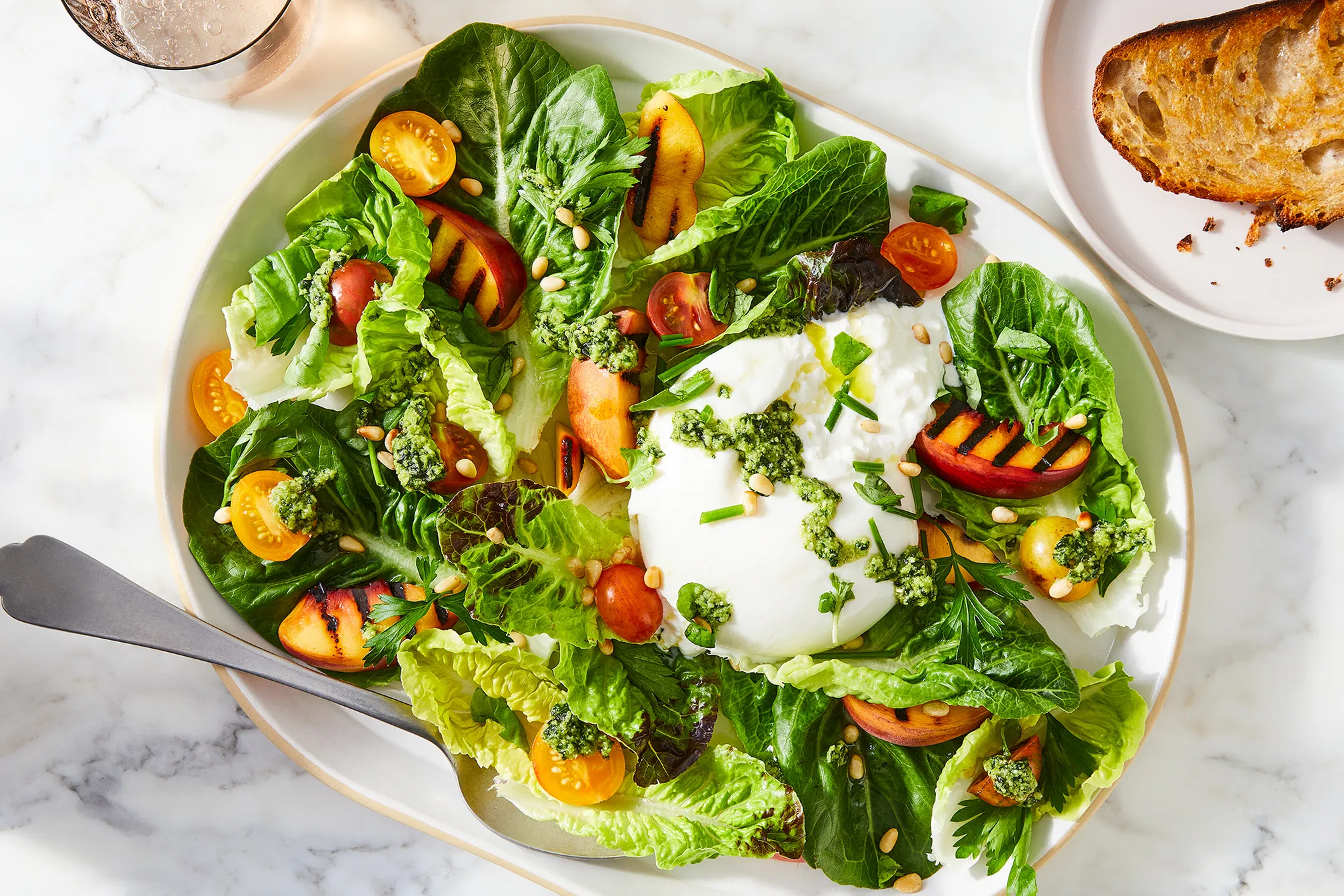
5. Fresh Burrata & Grilled Peach Salad
This summery salad calls for a mix of “soft herbs”—think basil, mint, tarragon, or dill—to layer in freshness alongside juicy grilled peaches and creamy burrata. It’s the perfect place to add lemon balm to the mix. Its gentle lemony zing complements the sweetness of the peaches and adds brightness to the whole dish. Just tear a few leaves and scatter them over the top before serving.
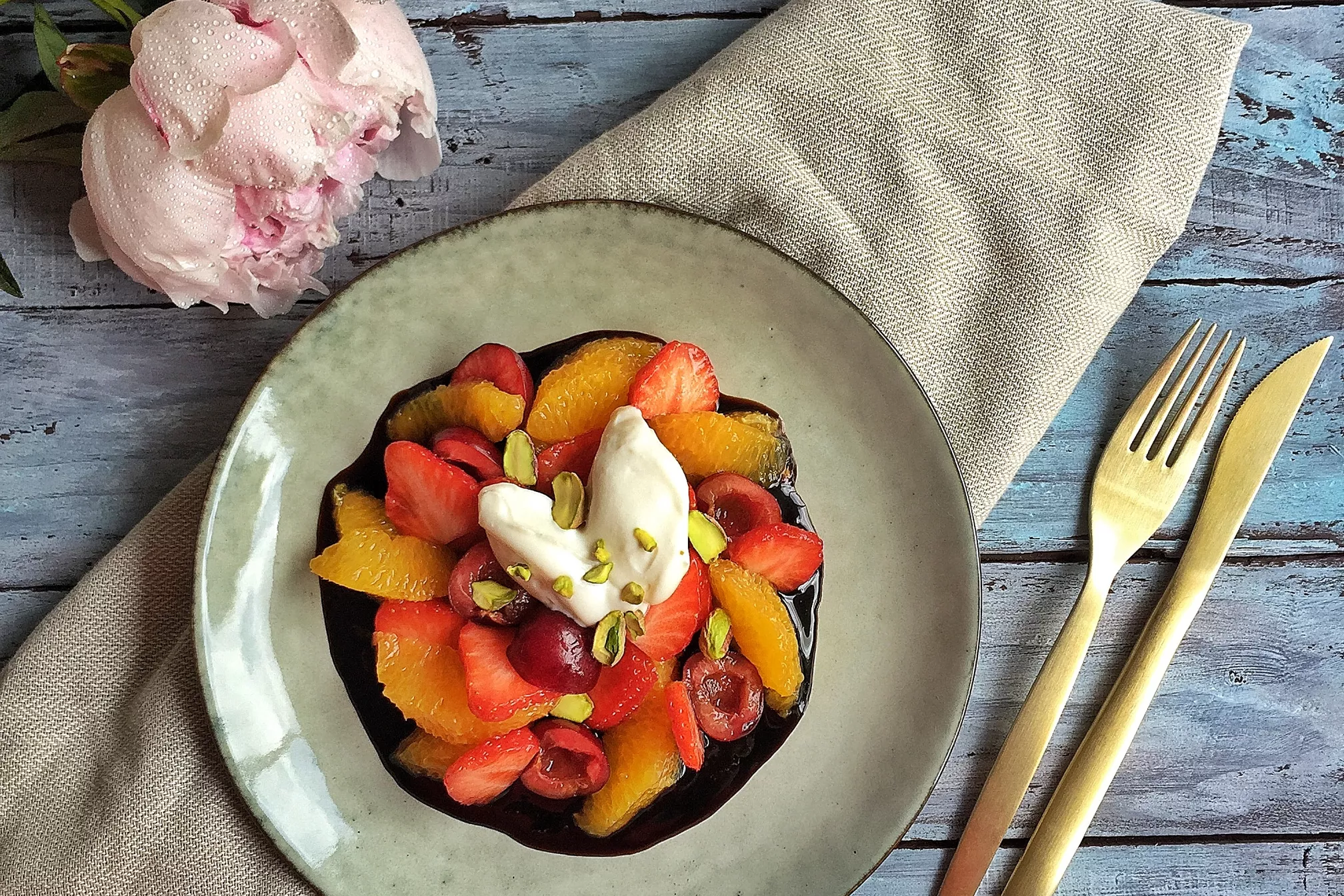
6. Fruit Salad
This grown-up spin on a classic fruit salad leans on juicy summer fruit, a splash of St. Germaine, and a generous scattering of soft herbs to keep things interesting. The recipe encourages mixing in whatever herbs you have on hand—so it’s the perfect opportunity to toss in some fresh lemon balm.
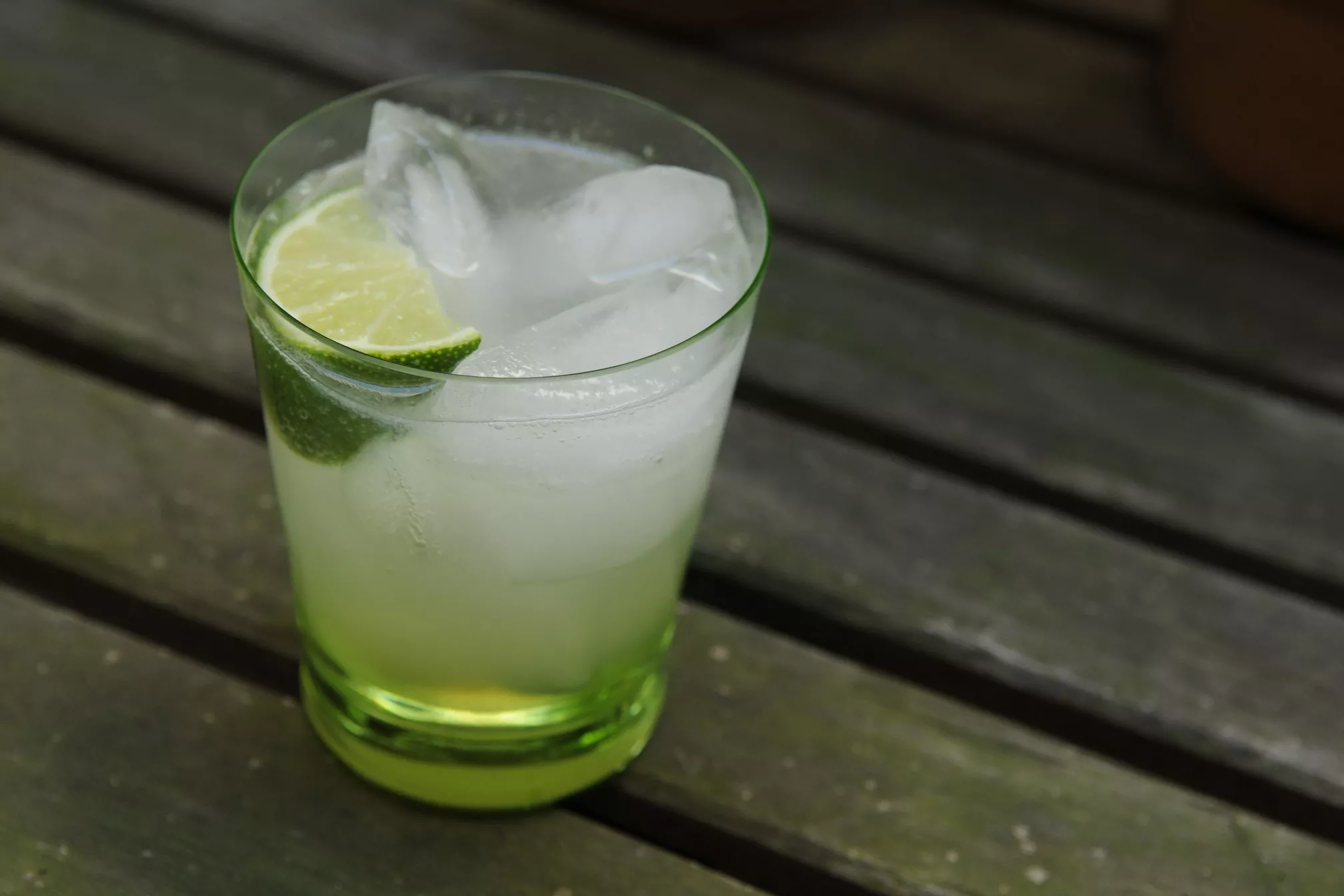
7. Mint Limeade (With a Lemon Balm Twist)
You can add lemon balm to any kind of lemonade or limeade drink. Even if the recipe calls for lemon mint, adding lemon balm gives it an extra layer of citrus-mint complexity. Muddle it into the syrup base, or float a few leaves right in the pitcher to subtly infuse.

8. Tea Thyme Soda (With Lemon Balm Simple Syrup!)
This refreshing homemade cocktail soda gets its herbal kick from a thyme-infused simple syrup, black tea, and lemon juice. To make it even more summery, try steeping a few sprigs of lemon balm along with the thyme in the syrup.
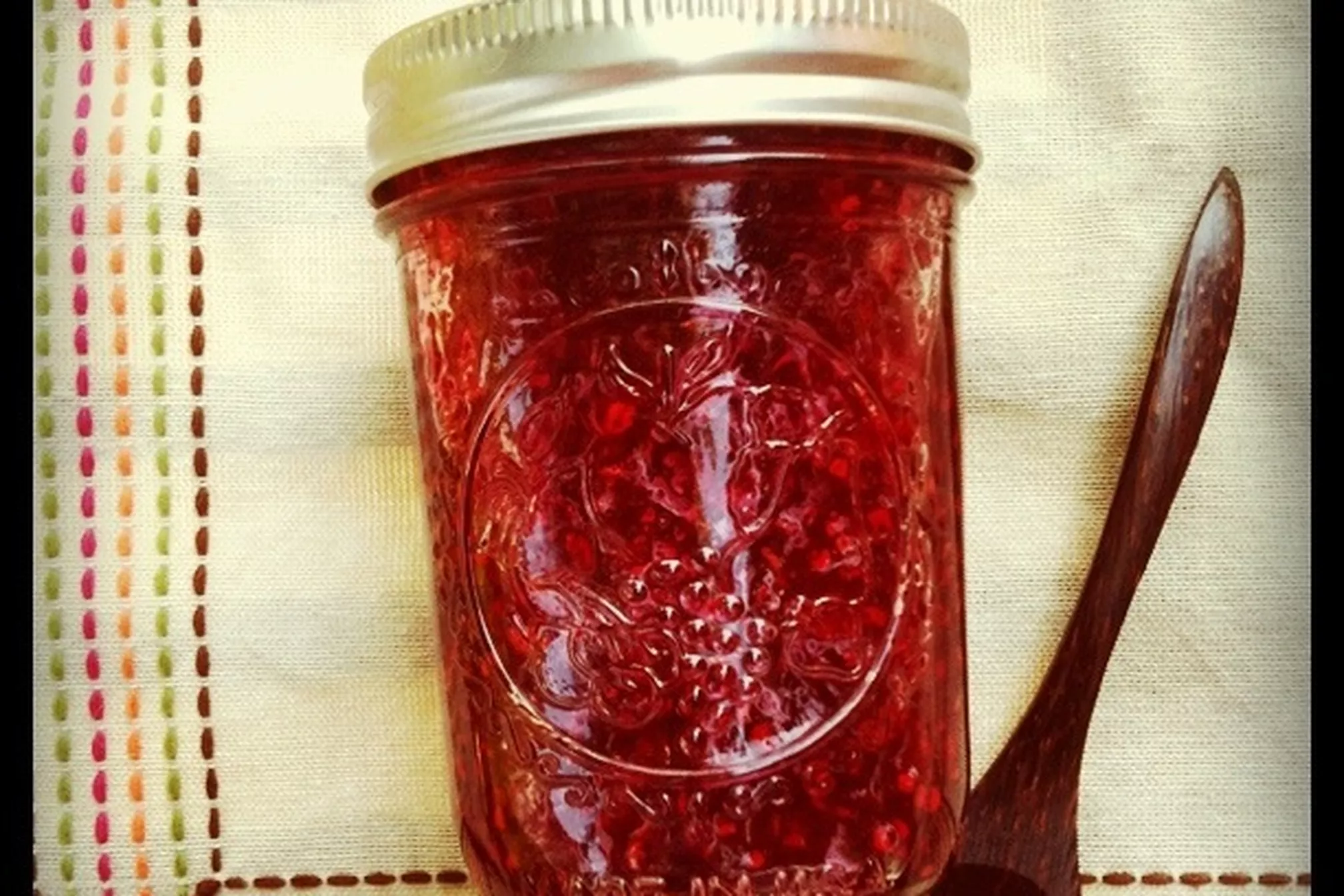
9. Raspberry Lemon Balm Jam
Another great way to use lemon balm? Homemade jam. This recipe pairs tart raspberries with fresh lemon balm for a spread that’s bright, a little floral, and just the right amount of sweet. The herb enhances the fruit’s natural flavor without overpowering it—perfect on toast, layered in a cake, or swirled into yogurt.
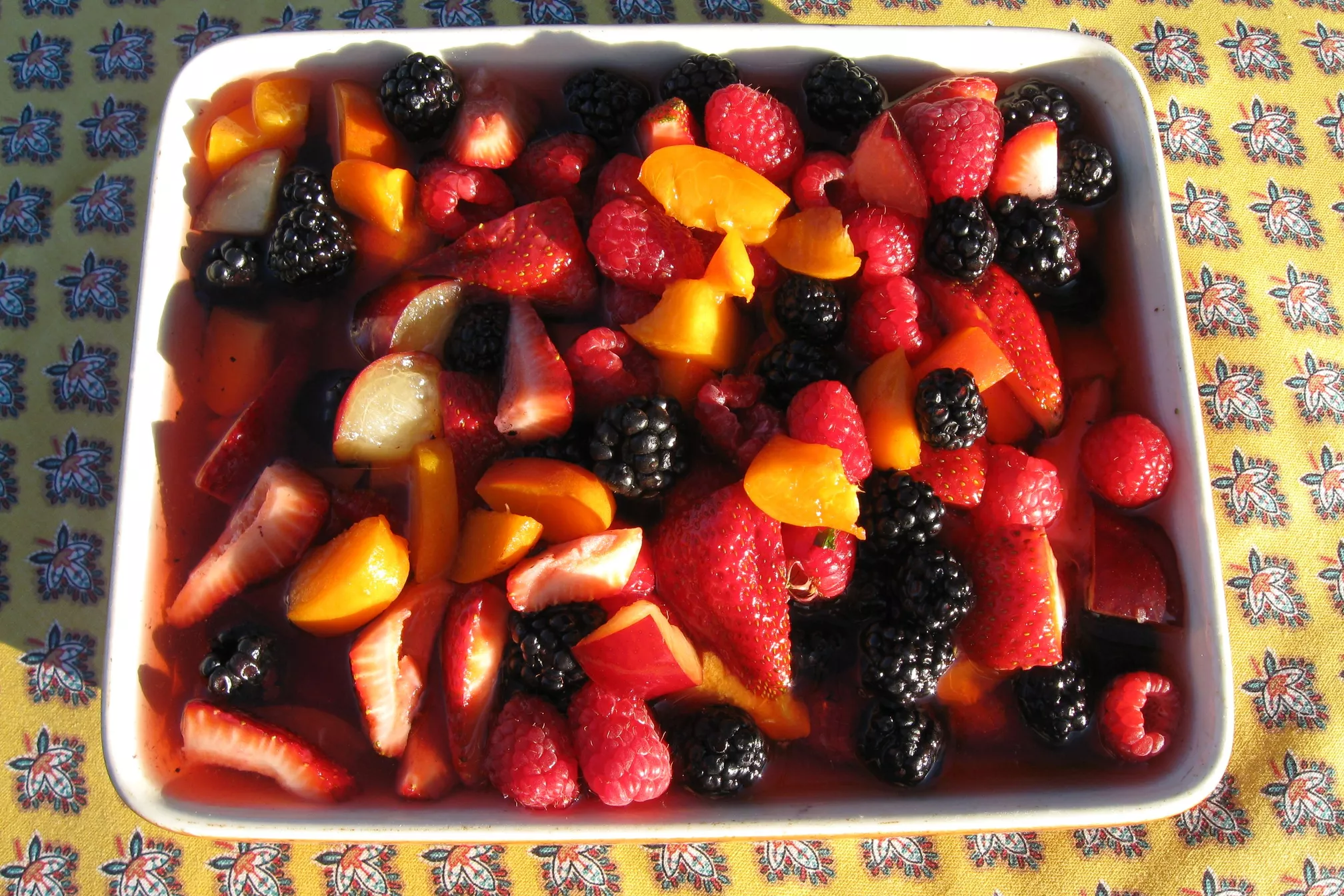
10. Macerated Summer Fruit Shortcakes
This breezy summer dessert features juicy macerated fruit spooned over tender shortcakes—and a clever use of the leftover juices to make a vibrant sauce. It calls for mint or basil, but you can easily sub in (or add!) lemon balm for a delicate citrusy twist.
Editor's Note: This story was updated in May 2025 to inlcude even more lemon balm information and recipes.
What are your favorite ways to use lemon balm? Tell us in the comments!

Written by: Lindsay-Jean Hard
Popular on Food52
10 Comments


See what other Food52 readers are saying.